
You Don't Need a Perfect Pregnancy Plan. You Need One That Changes When Your Pregnancy Does.
Prenatal nutrition support for women whose pregnancy looks nothing like they expected: nausea, food aversions, exhaustion, and a phone full of saved posts that still haven't told you what to actually eat today.
Toronto based prenatal nutritionist · Working with women across Canada and beyond, from trying to conceive through postpartum
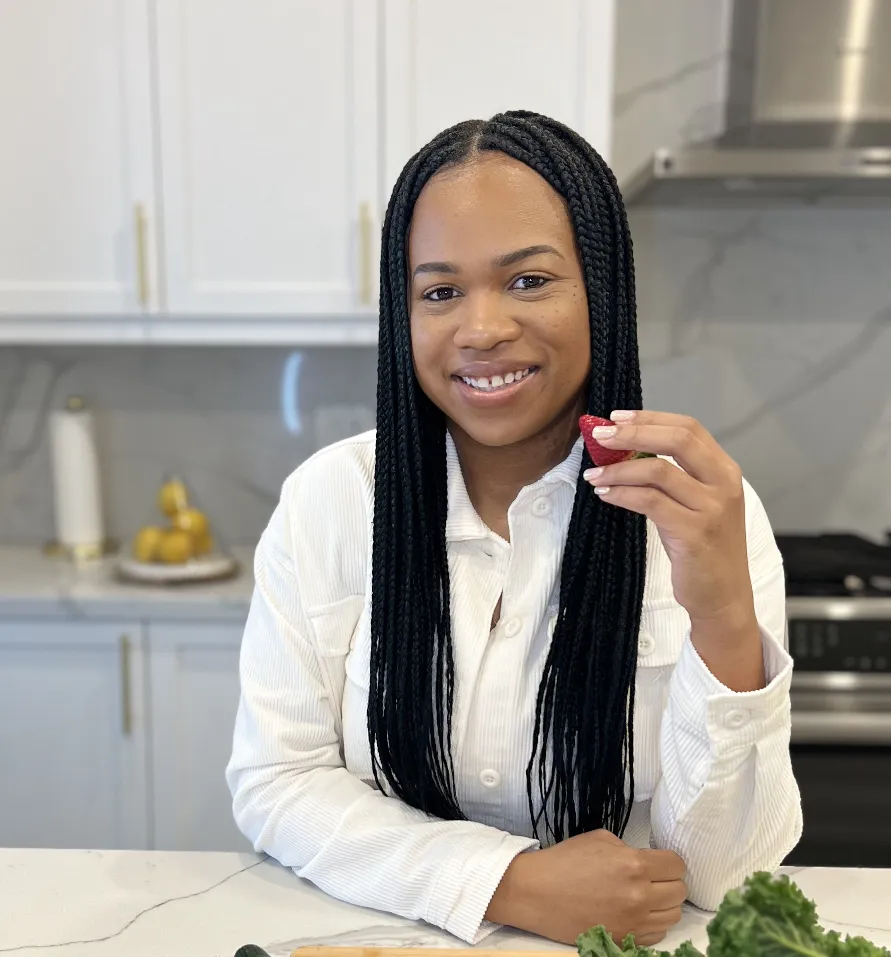
You Don't Need a Perfect Pregnancy Plan. You Need One That Changes When Your Pregnancy Does.
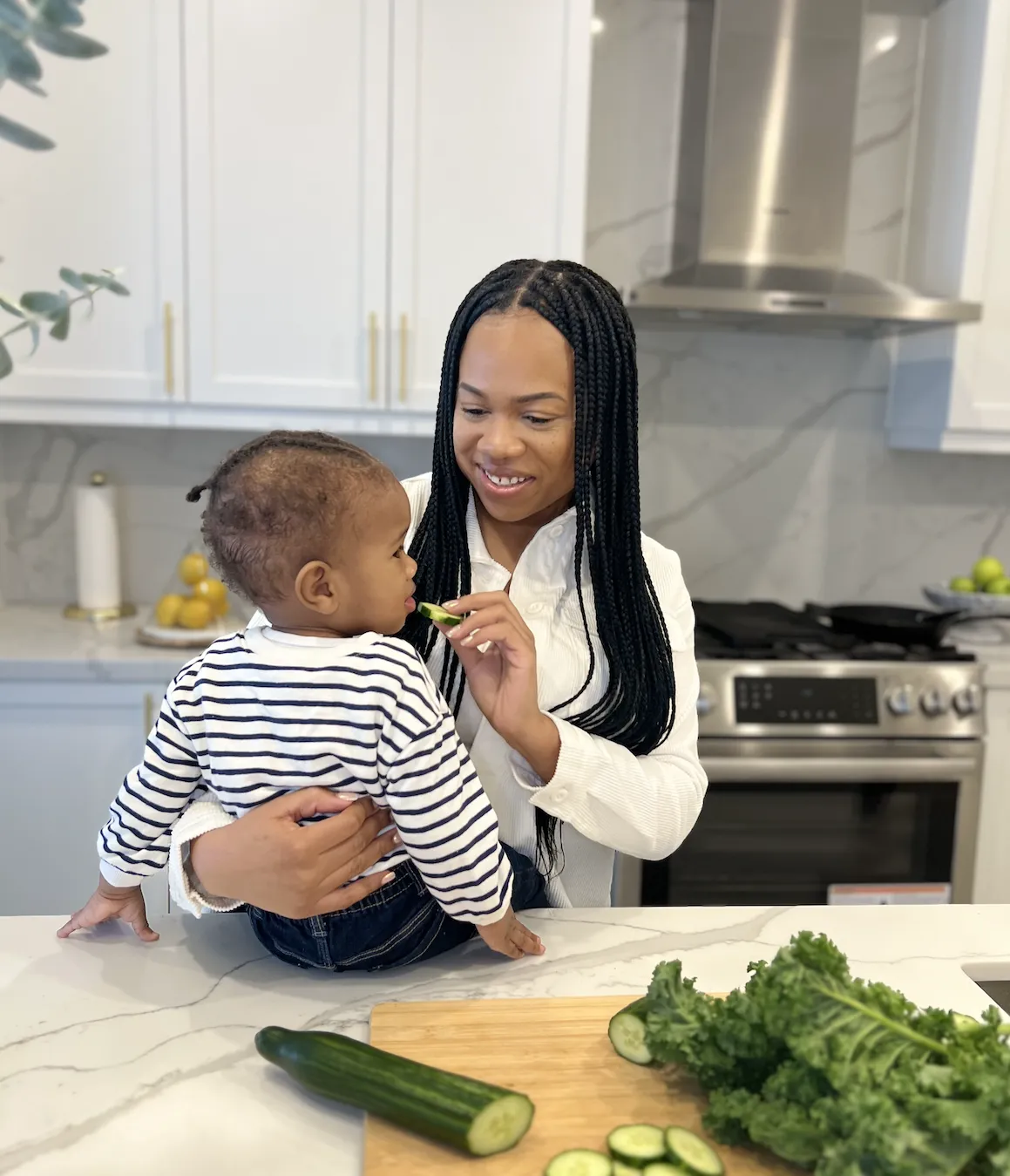
Prenatal nutrition support for women whose pregnancy looks nothing like they expected: nausea, food aversions, exhaustion, and a phone full of saved posts that still haven't told you what to actually eat today.
I thought I'd eat so well during pregnancy....
If this feels familiar to you, you're in the right place.
You had a plan. Smoothies, leafy greens, the good prenatal. Then week seven hit, and now dinner is plain toast, the fridge smells like betrayal, and you're eating the same four foods on rotation while wondering if your baby is getting enough.
You've done the work. You've Googled every symptom, saved the Instagram posts, downloaded the app, tried the crackers, forced the protein. You've asked your provider and heard "just eat a balanced diet" in an eight-minute appointment. And you're still lying awake asking: Am I eating enough? Do I need another supplement? Is this normal?
You don't need more information. You have plenty. What you need is someone to look at your whole picture, tell you what actually matters right now, and build a plan that works on the days you can barely look at food.
CLIENT STORY
She was starting every morning with crackers and grazing on fruit all day, just to take the edge off. The nausea kept coming back, and by dinner she couldn't face a real meal.
When we looked at her day, the pattern was clear: almost everything she could eat was burning fast, and she was going long stretches with nothing steadying her. We didn't take her safe foods away. We worked with them.
Four days later, her nausea was more manageable, she was eating beyond her usual three foods, and she was sitting down to dinner again.
Here's How We Can Work Together
The real pregnancy method 1:1 coaching
Twelve weeks of 1:1 support for the pregnancy you're actually having. Whether symptoms have taken over or you just want to know you're getting it right, we look at what you're eating, your supplements and your labs, then build a plan that changes as your pregnancy does, so you stop second-guessing and know what matters.
THE PREGNANCY NAUSEA RELIEF GUIDE
Not ready for coaching? Start here. Simple, nourishing strategies for morning sickness, plus my bonus recipe collection, Eat to Feel Human Again. $27.
Free Resources
THE PREGNANCY NUTRITION SURVIVAL GUIDE
For the weeks when nothing sounds good and you're running on crackers. Simple food tips, gentle meals and an easy hydration habit to help you get through the hardest days.
The ESSENTIAL Pregnancy GROCERY Guide
Walk into the grocery store knowing exactly what to grab. A trimester-by-trimester food list with easy meal ideas, so you're not Googling "is this safe?" in the cereal aisle.
Hi, I'm Tenisha
I'm a Certified Nutritional Practitioner and Pregnancy & Postpartum Nutrition Specialist. When I got pregnant, I was getting straight A's in nutrition school and I was still blindsided, researching constantly and never finding clear answers. That's when it hit me: if I knew this much and was still confused, what was every other pregnant woman going through? Now I help women nourish themselves and their baby with confidence, without piecing it all together alone.
Join the Community

We'd love to have you. Lorem ipsum dolor sit amet, consectetur adipisicing elit. Autem dolore, alias, numquam enim ab voluptate id quam harum ducimus cupiditate similique quisquam et deserunt, recusandae. here
Pregnancy Nausea Relief: Why Crackers Aren't Working (and What Research Says Helps)
You bought the prenatal vitamins. You saved all the "what to eat in your first trimester" posts. You were going to be the pregnant woman with gorgeous salmon-and-quinoa bowls.
Then week six hit.
Now the only things that don't make you gag are plain crackers, flat ginger ale, and maybe (maybe) a cold apple around 3pm. The fridge smells personally offensive. And there's a quiet voice in the back of your head asking, "Is my baby getting anything they need right now?"
If you're searching for pregnancy nausea relief, you're in very big company. About 70 to 80% of pregnant women deal with nausea and vomiting, and in one UK study of more than 2,200 women, 89% were nauseous at 11 weeks.
When I got pregnant, I was in nutrition school getting straight A's, and I still found myself Googling what to eat at midnight. So let's talk about what's actually going on, why the usual advice so often falls flat, and what the research says moves the needle.
Why Pregnancy Nausea Happens (And Why It's Not Just "Morning" Sickness)
First, the name. "Morning sickness" is a little misleading. For plenty of women it's all-day sickness, or a 4pm-until-bedtime situation.
Here's the typical timeline:
It usually starts around week 6
It tends to peak somewhere between weeks 9 and 16
For most women, it eases off by about 16 to 20 weeks
Up to 10% of women still have symptoms past 22 weeks
The hormone behind it
For years, everyone blamed hCG. Newer research (published in Nature in 2023) points to a different main driver: GDF15, a hormone made by the placenta that switches on the nausea centres in your brain.
How sick you feel seems to depend on two things: how much GDF15 your placenta is making, and how sensitive your body is to it. That's why your sister sailed through her pregnancy eating sushi, and you can't walk past a coffee shop.
A few other hormones pile on:
Progesterone relaxes the muscles in your gut, so digestion slows down and food sits around longer
Estrogen makes your sense of smell more sensitive, which is why smells are such a big trigger
Cortisol (your stress hormone) can turn the volume up on nausea
Low blood sugar makes the nausea signal louder too
Here's why that matters: you can't switch the nausea signal off with food, but you can turn the volume down. And most of the standard advice doesn't do that very well.
The Cracker Trap: Why "Just Eat Crackers" Stops Working
Crackers are the default advice for a reason. They're bland, easy, and they don't smell like anything.
But look at what happened in that UK study of more than 2,200 women. The worse the nausea, the more women cut back on vegetables, beans, breakfast cereals and citrus, and the more they leaned on white bread and soft drinks. Women with severe nausea dropped their vegetables by more than five portions a week, and 70% of them said they were eating less overall.
So if your diet looks nothing like you planned, it's not just you. The good news from that same study: these changes were temporary. Diet quality bounced back later in pregnancy.
The blood sugar cycle nobody mentions
The problem with living only on crackers, toast and ginger ale isn't that they're "bad." It's what happens next:
Simple carbs hit your bloodstream fast and blood sugar spikes
An hour or two later, it drops
Low blood sugar makes you more nauseous, and craving... more crackers
Repeat all day
That's why so many women tell me they're snacking constantly and still feel awful. They're doing exactly what they were told. The advice just wasn't built to break the cycle.
Pregnancy Nausea Relief Starts With Blood Sugar (Yes, Even Now)
If low blood sugar turns the nausea up, steadier blood sugar helps turn it down. And research points to one nutrient in particular.
In a study of women in their first trimester, meals built mostly around protein reduced nausea more than meals built mostly around carbs or fat, and they also calmed the irregular stomach rhythms linked to nausea.
Why protein helps:
It keeps blood sugar steadier, so you get fewer of those nausea-amplifying crashes
It leaves your stomach at a moderate pace. Not so fast that you're running on empty, not so slow that it sits there like a brick
It keeps you full longer, so you get fewer dips and swings through the day
I know what you're thinking: "Protein? I can barely look at a chicken breast." Fair. This is where most women get stuck. They try a protein shake once, gag, and go back to crackers.
The trick isn't forcing down foods you can't stand. It's building protein into the foods you can already tolerate, and timing it around your worst hours. In my experience, how you time food matters just as much as what you eat, especially first thing in the morning and right before bed.
👉 This is exactly what I walk you through in The Pregnancy Nausea Relief Guide: how to upgrade your "safe" foods, what to eat before your feet hit the floor, and easy protein-boosted snacks from the Eat to Feel Human Again recipe collection.
What Research Says About Ginger, Vitamin B6 and Other Nausea Remedies
You've heard about ginger, B6, lemon and wristbands. Here's what the evidence actually shows.
Ginger for pregnancy nausea
A 2014 review that pooled 12 randomized trials with 1,278 pregnant women found that ginger improved nausea compared with a placebo. It did not significantly reduce vomiting, so think of it as a nausea tool, not a vomiting cure.
On safety, a large Norwegian study of more than 68,000 pregnancies (over 1,000 of them using ginger in the first trimester) found no increased risk of birth defects. Side effects in the trials were mostly minor, and heartburn was the most common one.
One big catch: the ginger in studies is not the ginger in your ginger ale. Most ginger ale has very little real ginger and a lot of sugar, which can feed right back into the blood sugar cycle above. And if you take blood thinners, aspirin, or diabetes or blood pressure medication, check with your provider before supplementing, since ginger can interact with some of these.
Vitamin B6
B6 is one of the best-supported nausea tools. It's one half of Diclectin, the prescription nausea medication commonly used in Canada, and it's found in foods like chicken, fish, potatoes, bananas and chickpeas. If you're considering a supplement, talk to your midwife or doctor about the right amount for you.
Hydration, smells and the "small stuff"
A few other things have research behind them:
Dehydration and low electrolytes can make nausea worse and make it last longer
Cold foods give off less smell, so they're often easier to tolerate than hot meals
Lemon has some evidence for easing nausea, mostly through smell
Acupressure wristbands have mixed results but no known side effects
None of these is a miracle on its own. Together, used the right way at the right time of day, they add up. I put the full toolkit (food, timing, supplements and mindset) into The Pregnancy Nausea Relief Guide so you're not piecing it together from 14 open tabs.
Why More Nausea Tips Usually Don't Fix It
Here's something I see constantly. By the time a woman finds me, she's not short on information. She's tried the crackers. She's bought the ginger chews. She's saved 40 Instagram posts.
What she doesn't have is someone helping her figure out which of those things actually apply to her:
Is her nausea worst in the morning, or does it hit at 4pm?
Which foods are truly off the table, and which ones can be worked with?
Is she eating enough for herself and her baby, or just enough to get through the day?
Is her prenatal vitamin making things worse?
A tip list can't answer those. That's the difference between more information and a plan built around the pregnancy you're actually having.
A Real Client: From Grazing on Crackers to Eating Dinner Again
One of my clients was starting every morning with crackers and grazing on fruit all day just to take the edge off. But the nausea kept coming back, and by dinnertime she couldn't face a real meal.
When we looked at her day, a couple of patterns jumped out:
Almost everything she ate was quick-burning carbs, so her blood sugar was rising and crashing all day, and her nausea followed right along
She was going long stretches without anything steadying, especially overnight and first thing in the morning
We didn't throw out her safe foods. We worked with them, adjusting what went alongside them and when she ate, so her blood sugar had a chance to settle.
Four days later, her nausea was more manageable, she was eating beyond her usual three foods, and she was sitting down to dinner again.
Nothing fancy. Just the right adjustments for the pregnancy she was actually having.
When Pregnancy Nausea Is More Than Morning Sickness
Most nausea is uncomfortable but normal. A small number of women (somewhere around 0.3 to 3%) develop hyperemesis gravidarum (HG), a severe form that needs medical care.
Call your midwife or doctor if you:
Are vomiting several times a day or can't keep food or fluids down
Are losing weight
Feel dizzy when you stand up, are peeing much less, or notice a racing heart
Have nausea that's still going strong past 16 to 20 weeks (it's worth investigating other causes)
Have belly pain or changes in your bowel habits along with vomiting
Medication is a safe, valid option. Using it isn't giving up on nutrition. It often makes eating possible again, and then we build from there.
Bringing It Home
Pregnancy nausea relief isn't about finding one magic food. It's about turning the volume down: steadier blood sugar, the right support at the right time of day, and a plan that changes as your symptoms do.
The hard part usually isn't the information. It's figuring out what applies to you: your worst hours, your aversions, your schedule, and whether what you're managing to eat is actually enough.
That's exactly what I help with.
Want personalized support for your pregnancy?
Inside The Real Pregnancy Method, I look at what you're actually eating, when your nausea is worst, and what your body will tolerate right now. Then we build a plan around your pregnancy and adjust it as things change. No more guessing whether you're doing enough. You'll know what matters, what to stop worrying about, and you won't be figuring it out alone.
Not ready for 1:1 support yet?
Start with The Pregnancy Nausea Relief Guide ($27). It's a simple, self-guided plan covering what to eat, when to eat it, which supplements are worth asking about, and how to handle the food guilt. It also includes my bonus recipe collection, Eat to Feel Human Again, full of protein-boosted, nausea-friendly recipes.
Sources
Crozier SR et al. Nausea and vomiting in early pregnancy: effects on food intake and diet quality. Maternal & Child Nutrition, 2017.
Viljoen E et al. A systematic review and meta-analysis of the effect and safety of ginger in the treatment of pregnancy-associated nausea and vomiting. Nutrition Journal, 2014.
Stanisiere J et al. How safe is ginger rhizome for decreasing nausea and vomiting in women during early pregnancy? Foods, 2018.
Lee NM, Saha S. Nausea and vomiting of pregnancy. Gastroenterology Clinics of North America, 2011.
Fejzo M et al. GDF15 linked to maternal risk of nausea and vomiting during pregnancy. Nature, 2023.
Jednak MA et al. Protein meals reduce nausea and gastric slow wave dysrhythmic activity in first trimester pregnancy. American Journal of Physiology, 1999.
This post is for educational purposes and isn't a substitute for care from your midwife or doctor.
